Wave | Shipping Container Sales and Rentals
  • LinkedIn
  • Instagram
  • Facebook
  • Pinterest
  • Home
  • Our Products
  • Container Sales
  • Container Rental
    • Shipping Container Offices
    • Mini Storage Container
    • Container with Roll-Up Doors
    • Refrigerated Container Rental
    • Open Side Container
  • Self Storage
  • About Us
    • Core Values
    • Resources
    • RAL CODES
  • Contact
  • Sales and Service Locations
  • Search
  • Menu Menu
  • Home
  • Our Products
  • Container Sales
  • Container Rental
    • Shipping Container Offices
    • Mini Storage Container
    • Container with Roll-Up Doors
    • Refrigerated Container Rental
    • Open Side Container
  • Self Storage
  • About Us
    • Core Values
    • Resources
    • RAL CODES
  • Contact
  • Sales and Service Locations
Uncategorized

The History of the Shipping Container: How a Steel Box Changed Global Trade Forever

Container Storage
The History of the Shipping Container: How a Steel Box Changed Global Trade Forever

It’s hard to imagine a time when international trade wasn’t powered by massive steel boxes stacked on cargo ships, hauled by trains, or pulled across highways. But the now-ubiquitous shipping container is a relatively recent invention — one that transformed the global economy in just a few decades.

This is the story of how a simple idea revolutionized transportation, reshaped ports, and connected the world like never before.


The Pre-Container Era: Chaos at the Docks

Before containers, shipping goods was slow, expensive, and labor-intensive. Items were loaded and unloaded manually, often in sacks, barrels, or wooden crates. Cargo was vulnerable to theft, damage, and delays, and port operations were inefficient and disorganized.

At some busy ports, it could take days or even weeks to fully unload a ship. Laborers—called longshoremen—had to physically handle every piece of cargo. Ships were often idle for long periods, waiting to be cleared, repacked, and refueled.

This outdated method of break-bulk shipping severely limited global trade and added significant costs for businesses.


The Birth of the Shipping Container

The breakthrough came in 1956, when American trucking entrepreneur Malcom McLean launched the first containerized shipping operation. Frustrated by the delays and inefficiencies of port logistics, McLean developed a system that allowed cargo to be packed into uniform metal boxes that could be lifted directly from trucks onto ships — without ever unpacking the contents.

His first ship, the Ideal X, sailed from Newark, New Jersey to Houston, Texas with 58 containers onboard. It wasn’t glamorous, but it was efficient — and it worked.

McLean’s idea took hold quickly. Standardization was the key: by creating containers with consistent sizes (eventually 20-foot and 40-foot ISO containers), companies could move goods seamlessly between ships, trains, and trucks — a concept now known as intermodal transportation.


The Global Boom of Containerization

By the 1970s, container terminals were replacing traditional ports around the world. Specialized cranes and equipment sped up loading and unloading. Ships were redesigned to carry thousands of containers, sparking a new era of maritime logistics.

Containerization slashed shipping costs dramatically. As a result, products could be manufactured in one country and sold in another with minimal logistical friction. This laid the foundation for modern globalization, enabling:

  • The rise of manufacturing hubs in Asia 
  • The dominance of just-in-time inventory systems 
  • The spread of international e-commerce 

Today, over 90% of goods transported globally are moved in containers.


How Shipping Containers Continue to Evolve

While the standard container hasn’t changed much in form, it has evolved in function. Modern variants include:

  • Reefers (refrigerated containers) for perishables 
  • Open-top and flat-rack containers for oversized cargo 
  • Double-door and side-opening containers for specialized access 

Smart containers equipped with GPS and IoT technology now track cargo in real time, improving supply chain visibility and reducing delays.

Containers are also being repurposed in creative ways — from pop-up shops to tiny homes and even swimming pools.


The Legacy of a Simple Steel Box

What began as a modest solution to a trucking problem became one of the most influential inventions of the 20th century. The shipping container turned the world into a connected marketplace — bringing people, products, and ideas closer than ever before.

Whether stacked on a cargo ship or converted into an off-grid office, the humble steel box remains a symbol of efficiency, adaptability, and progress.

Looking for Shipping Containers?
Wave Container Corp offers new and used containers for sale across North America — including dry vans, reefers, flat racks, and more. Reach out today to find the right container for your needs.

July 28, 2025/0 Comments/by admin
https://wavecontainers.com/wp-content/uploads/2023/06/wavecontainer-logo-gold-300x300.png 0 0 admin https://wavecontainers.com/wp-content/uploads/2023/06/wavecontainer-logo-gold-300x300.png admin2025-07-28 06:31:572025-07-28 06:33:19The History of the Shipping Container: How a Steel Box Changed Global Trade Forever
Uncategorized

How Are Shipping Containers Manufactured


How Are Shipping Containers Manufactured?

A Step-by-Step Guide to Container Construction

Shipping containers are the backbone of global trade, quietly moving 90% of the world’s cargo across oceans, highways, and railways. But have you ever wondered how these incredibly strong steel boxes are made? The process behind manufacturing a shipping container is a fascinating mix of heavy industry, precision engineering, and global logistics.

In this blog, we break down the shipping container manufacturing process from start to finish — from raw materials to the familiar corrugated steel walls you see on ships and trucks around the world.


1. Raw Materials: From Steel Coils to Container Panels

The journey begins with raw steel, often sourced in the form of large coils or steel plates. Most containers are made from Corten steel (also known as weathering steel), a high-strength, corrosion-resistant material that’s ideal for enduring harsh environments on land and sea.

These steel coils are unrolled and flattened, then cut into sheets. The steel sheets are used to create the container’s main parts: floor beams, side walls, roof panels, and doors.


2. Forming the Walls and Roof Panels

Next comes corrugation — the process of pressing wavy ridges into the steel sheets. This isn’t just for looks. Corrugated steel dramatically increases the container’s strength and ability to handle heavy loads and stacking pressure without collapsing.

The side walls, roof, and doors are all made from corrugated panels. The panels are cut, shaped, and welded into place, forming the main structure of the box.


3. Assembling the Container Frame

Once the panels are ready, workers begin building the container frame. This includes the:

  • Corner posts: Thick steel pillars at each corner for strength and crane handling

  • Bottom rails: Steel beams running along the bottom edges

  • Top rails: Upper supports connecting the corner posts

The bottom frame is welded first, followed by the corner posts and side rails. Then, the corrugated wall panels are welded onto the frame to form a rigid, rectangular shell.


4. Installing the Floor

With the steel structure in place, it’s time to install the flooring. Most shipping containers use marine-grade plywood, usually around 28 mm thick. The wood is bolted onto cross members (transverse steel beams), creating a durable and load-bearing floor.

To withstand moisture, pests, and cargo impact, the wood is often treated with protective coatings and sealed against the elements.


5. Adding Doors and Locking Systems

One of the most important features of a container is its double rear doors. These are made from steel panels reinforced with vertical stiffeners and rubber seals to make them watertight.

Heavy-duty locking gear, including cam locks, rods, and handles, are installed to ensure security and easy operation. Once the doors are in, the container is nearly ready for use.


6. Painting and Protective Coating

Before shipping containers leave the factory, they’re thoroughly primed and painted. The paint not only gives the container its familiar color but also provides critical protection against rust, saltwater corrosion, and UV damage.

Most containers are spray-painted using automated systems to ensure even coverage, and multiple coats are applied for durability.


7. Quality Control and Testing

Before a container is certified for use, it must pass strict quality control inspections. These tests ensure:

  • Watertightness (via water sprays or pressure testing)

  • Proper door operation and lock function

  • Structural integrity (especially for stacking and lifting)

New containers are typically certified under CSC (Container Safety Convention) standards, making them eligible for international shipping.


8. Final Touches and Delivery

Once approved, containers are stamped with their unique identification number, ownership markings, weight limits, and safety approvals.

They’re then stacked and shipped to ports, logistics hubs, or directly to customers. Many containers begin their journey in manufacturing hubs like China, where over 80% of the world’s containers are produced.


The Bottom Line

Shipping containers may look simple from the outside, but they’re built to endure some of the toughest conditions on Earth. Their design and manufacturing process combines durability, functionality, and standardization — which is why containers have become one of the most important inventions in modern logistics.

Whether you’re buying a container for shipping, storage, or a custom conversion project, knowing how they’re made helps you appreciate the strength and craftsmanship behind every steel box.

July 28, 2025/0 Comments/by admin
https://wavecontainers.com/wp-content/uploads/2023/06/wavecontainer-logo-gold-300x300.png 0 0 admin https://wavecontainers.com/wp-content/uploads/2023/06/wavecontainer-logo-gold-300x300.png admin2025-07-28 06:26:022025-07-28 06:26:02How Are Shipping Containers Manufactured
Uncategorized

What Are Shipping Containers Really Called?

 Exploring Sea Cans, C-Cans, Conex & More

When you hear someone mention a “sea can,” “C can,” or even “Conex box,” don’t worry—they’re all referring to the same thing: those big steel boxes used to haul cargo around the world. But why so many names? Let’s unpack it.

1. Shipping Container

The most formal and widely recognized term. It speaks to the container’s original—and still core—function: transporting goods by sea and beyond. These robust metal boxes support intermodal shipping (ship, rail, truck) with minimal handling. 

2. Sea Container (or C

 Container)

A colloquial term emphasizing the ocean-going role of these units. “Sea container” is often shortened to “C container,” where “C” stands for “sea.” 

3. Sea Can (or C Can)

Perhaps the most popular slang, especially in Canada. Designed for ocean transport, these containers earned the “sea can” label—and then naturally got shortened to “C can.” 

4. Sea Bin (or C Bin)

Less common but follows the same naming pattern. “Sea bin” sometimes gets shortened to “C bin,” especially in casual conversations. 

5. Ocean Container / Cargo Container / Freight Container

These names spotlight the main use case—moving cargo across oceans or land. All are interchangeable terms for the same standardized units. 

6. Intermodal Container

This highlights versatility: a container that moves effortlessly between ship, rail, and truck—no cargo transfer needed. The design follows standardized ISO specs, enabling global compatibility. 

7. ISO Container

These containers meet rigorous ISO standards (size, strength, stacking capability)—essential for international shipping operations. Most modern containers are ISO compliant. 

8. Sea Train Container (C Train Container)

This moniker is rooted in the dual use of containers for sea and rail transport, and sometimes tied to Seatrain Lines—a historic North American carrier. “C train container” remains a niche term to describe them. 

9. Conex Box / Container Express

A term dating back to military logistics in the Korean War era. Short for “Container Express,” Conex boxes were precursors to modern shipping containers. Today it’s still casually used to describe standardized steel containers. 

10. Moving Container / Storage Container

When used on land—at homes, construction sites, or events—these containers serve as storage or moving units. They get called moving containers or storage containers in that context. 


Quick Reference Table

Name(s) Highlights Where Used
Shipping Container Formal, general Global shipping/storing
Sea Container / C Container Emphasis on ocean freight Ports, shipping industry
Sea Can / C Can Slang, especially in Canada Cargo ads, regional use
Sea Bin / C Bin Variant of sea can Less common
Ocean / Cargo / Freight Container Cargo-focused terminology Logistics, trade
Intermodal Container Multi-modal transport capability Rail/truck/ship logistics
ISO Container Standardized under ISO specifications International shipping
C Train Container Emphasis on sea + rail use Some regional usage
Conex Box (Container Express) Historical/military root US-based usage
Moving Container / Storage Container Portable storage on land Home, site storage


Why So Many Names?

  • Function & Use Case: Terms like “shipping,” “cargo,” or “storage” reflect how the container is used at the moment.

  • Regional Slang: “Sea can,” “C can,” and “C bin” are especially popular in Canada and parts of North America.

  • Historical Roots: Some names like “Conex box” derive from early military or industry usage.

  • Standardization: Names like ISO and intermodal emphasize engineered specs that make global interchangeability possible.


In Summary:

No matter what you call it—sea can, C can, shipping container, freight container, or even Conex box—you’re talking about the same rugged, standardized steel unit designed to move goods safely across the world. The name you choose often hints at how or where it’s used. Whatever terminology fits your context, it’s still the same box playing a central role in global trade.


July 28, 2025/0 Comments/by admin
https://wavecontainers.com/wp-content/uploads/2023/06/wavecontainer-logo-gold-300x300.png 0 0 admin https://wavecontainers.com/wp-content/uploads/2023/06/wavecontainer-logo-gold-300x300.png admin2025-07-28 06:21:322025-07-28 06:21:32What Are Shipping Containers Really Called?
Uncategorized

5 Creative Ways to Use Storage Containers at Home

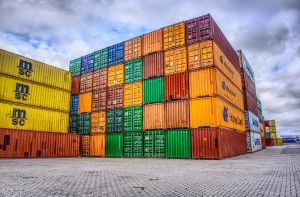
A stack of shipping containers stacked in our yard

Storage containers aren’t just for businesses; they can be a game-changer for homeowners too. Whether you’re moving, renovating, or simply looking to declutter, storage containers for homeowners offer an affordable and versatile way to keep your personal belongings safe and organized. Here are five creative ways you can use container storage solutions at home.


1. Simplify Your Move

Moving to a new home can be a stressful process, especially when it comes to packing and organizing your belongings. Storage containers provide an easy way to transport and store your items. Instead of relying on cardboard boxes, rent a storage container from Wave Container Corp. You can pack at your own pace and have the container delivered directly to your new home once you’re ready. It’s an efficient and secure solution for moving.


2. Create a Home Office or Studio

If you’re working remotely or pursuing a creative hobby at home, a customized storage container can be transformed into the perfect workspace. Whether you need insulation, lighting, or electrical outlets, our custom-modified containers can be adapted to suit your needs. With a container office on your property, you can enjoy a quiet, organized space away from the distractions of your main home.


3. Temporary Storage for Home Renovations

Renovations can leave your home in disarray, with tools, furniture, and supplies scattered about. Having a secure storage container on-site during your renovation project can give you the space to store your belongings safely while the work is being completed. With our wind- and watertight containers, you can rest assured that your items will be kept in top condition until the project is finished.


4. Seasonal Storage Solutions

Storing seasonal items such as holiday decorations, gardening tools, or outdoor furniture can be a challenge, especially if you have limited space. Storage containers provide the perfect seasonal storage solution, helping you keep your home clutter-free. Simply place the container in your driveway or backyard and use it to store off-season items until you need them again. Our small and medium-sized containers are perfect for this type of storage.


5. Secure Outdoor Storage

Do you need extra storage for outdoor equipment like bikes, lawnmowers, or sports gear? A storage container placed in your backyard can act as an additional secure outdoor storage unit. This is especially useful for keeping your tools and equipment protected from weather conditions and potential theft.

January 15, 2025/0 Comments/by John Smith
https://wavecontainers.com/wp-content/uploads/2024/01/container-3754438_1280.jpg 855 1280 John Smith https://wavecontainers.com/wp-content/uploads/2023/06/wavecontainer-logo-gold-300x300.png John Smith2025-01-15 08:38:492025-01-15 08:39:495 Creative Ways to Use Storage Containers at Home

Follow us on Facebook

Latest Projects

Categories

  • blog
  • Uncategorized

Office

Address
10800 West Pico Boulevard
Los Angeles, USA

Contact
office@en-co.com
555-3587 347

Opening Hours:
Mo-Fr: 8:00-19:00
Sa: 8:00-14:00
So: closed

Wave Container Corp

Locations:

Vancouver, Canada

1355 Vernon Dr, Vancouver, BC V6A 3V4

600 – 890 West Pender St, Vancouver, British Columbia, Canada. V6C 1J8

Contact:

Phone: 604-636-8930

Email: sales@wavecontainers.com

Phone: 604-248-6052

Email: inventory@wavecontainers.com

Phone: 604-636-2411

Email: sales3@wavecontainers.com


New York, New York, USA

Zip Code: 10017

Hours of Operation:

Monday – Friday: 8:00AM to 5:00PM

Saturday – Sunday: 8:00AM to 2:00PM

Privacy Policy

Terms & Conditions

Unsubscribe

© Copyright - Wave | Shipping Container Sales and Rentals - powered by Enfold WordPress Theme
Scroll to top